Trust and Transparency in your AI Use Cases with AI Governance
Without proper governance and visibility, AI use cases will create a chaotic and unmanageable mess.

AI Models Are Only as Good as the Data They Are Built On
Find out what makes us different.
Improve insight into AI use cases and their data to identify and manage risks proactively.
Ensure transparency by managing AI and data use cases on a metadata-enriched platform supported by tracking tools.
Ensure compliance with risk assessments, AI documentation, and effective management.
Trusted by data teams at leading enterprises





Explore Key Capabilities
Data provenance
Every piece of data has a purpose and a journey. With data provenance, you can track data flows, monitor changes, and assess the sensitivity of the data feeding your AI models, ensuring transparency, accountability, and compliance.
Centralized list of AI systems
Centralize AI use cases and models for a consistent view and streamlined documentation. Get a clear overview of all AI systems, including their purpose, the data they rely on, and the validation processes they follow.
Risk assessment
Simplify risk identification and evaluation for AI systems in compliance with regulatory frameworks like the AI Act. Assess each use case from multiple perspectives using predefined, expert-designed assessment logic.
Semantic layer
A semantic layer is a bridge between raw data and users, translating complex data structures into business-friendly terms. It standardizes definitions and relationships, ensuring consistent interpretation of data and models across the organization.
What users say
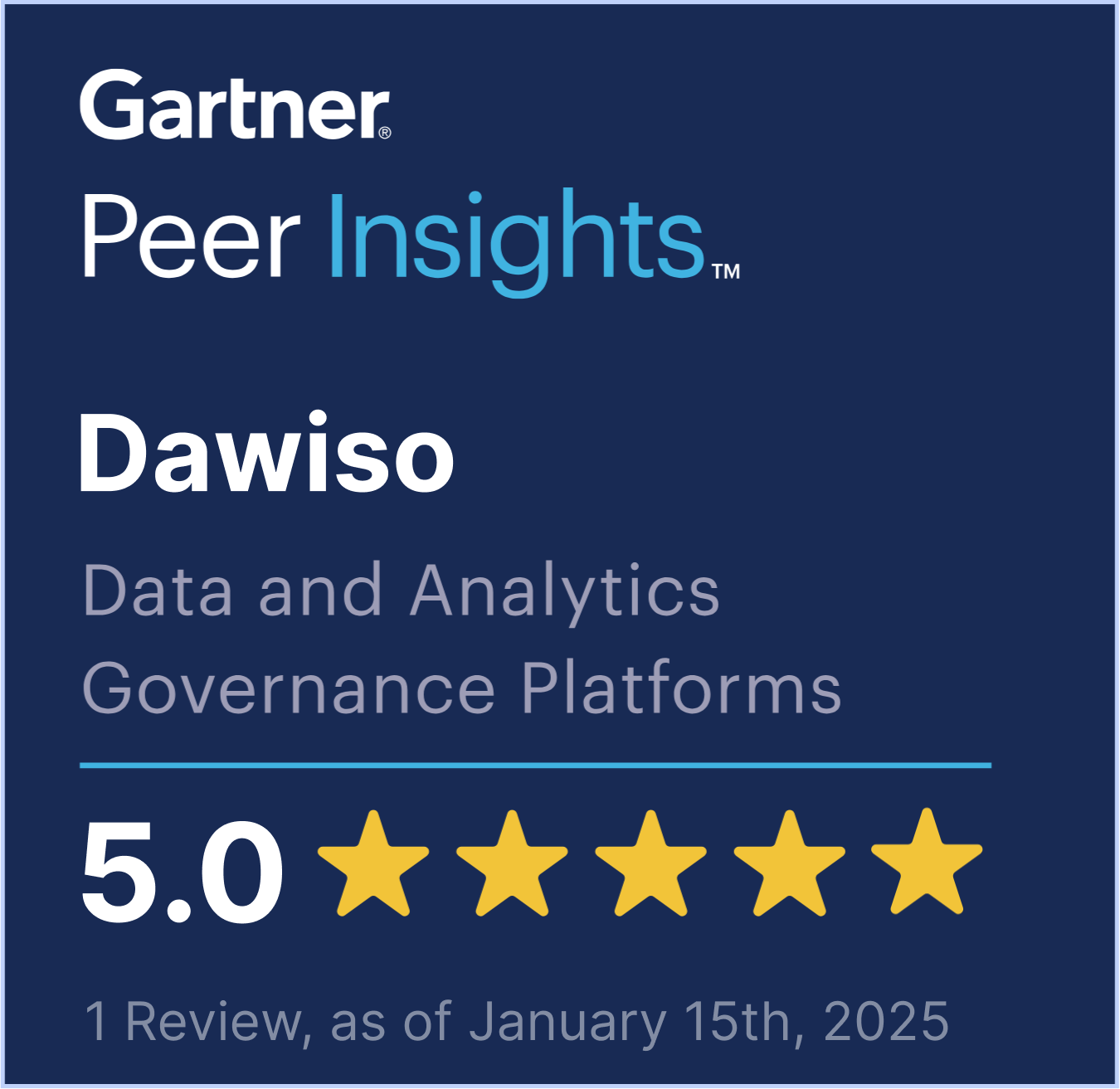
5.0 on Capterra · Gartner Peer Insights


Frequently Asked Questions
What is the AI Act?
The AI Act is the European Union's first comprehensive legislation regulating artificial intelligence (AI). It takes a risk-based approach, aiming to create a regulatory framework that identifies and mitigates risks associated with AI systems.
What are the objectives of the AI Act?
The AI Act aims to establish a regulatory framework that ensures AI systems are used responsibly and safely. Its primary objectives are: 1. Risk-based assessment of AI use cases. 2. Centralized list of AI systems - ensuring all systems and their associated information are easily traceable.
Why is AI governance important to me?
AI governance is crucial for ensuring transparency, accountability, and trust in AI systems. It helps organizations direct, monitor, and manage AI activities, addressing key risks such as regulatory risk, reputational risk, and operational risk.
What happens if I'm not compliant?
Failure to comply with the prohibition of AI practices outlined in Article 5 of the AI Act will result in administrative fines. These fines may reach up to €35,000,000 or, if the offender is a company, up to 7% of its total worldwide annual turnover for the preceding financial year, whichever is greater. [Article 99: Penalties | EU Artificial Intelligence Act]
How does Dawiso help me in complying with the AI Act?
Dawiso is a metadata management platform designed for AI governance, providing a centralized hub for documenting and managing all your AI use cases. It offers key capabilities: risk-based assessment, catalog and documentation of AI use cases, and governance across the entire AI lifecycle.
When should I start preparing for the AI Act?
Take action now to be prepared. The main compliance deadline is August 2, 2026, when the majority of the Act's requirements come into full effect. Given the complexity and scope of the Act, businesses are advised to act swiftly to evaluate their AI systems, set up governance structures, and ensure the necessary documentation processes are in place.
Explore Other Values & Features
Build your perfect solution step by step. Dawiso helps you focus on the features you need today, and easily add more as you grow.